
Solar Battery Installation in Sydney: Common Mistakes Homeowners Must Avoid
solar battery installation in sydney
If you’re planning to install a solar battery in Sydney, you’re already moving toward smarter energy use. However, many homeowners make costly mistakes—not because of the battery itself, but due to poor planning and installation practices.
A badly installed system can lead to:
- Lower energy savings
- Safety hazards
- System failures
- Warranty issues
- Expensive repairs later
This guide explains the most common solar battery installation mistakes in Sydney—and how to avoid them.
Why Solar Battery Installation Can Go Wrong in Sydney
Sydney homes are not all built the same. Many properties have:
- Older electrical systems
- Limited installation space
- Complex wiring setups
- Local council and compliance requirements
The problem is that some installers treat battery systems as simple add-ons. In reality, a solar battery must integrate properly with your entire electrical ecosystem.
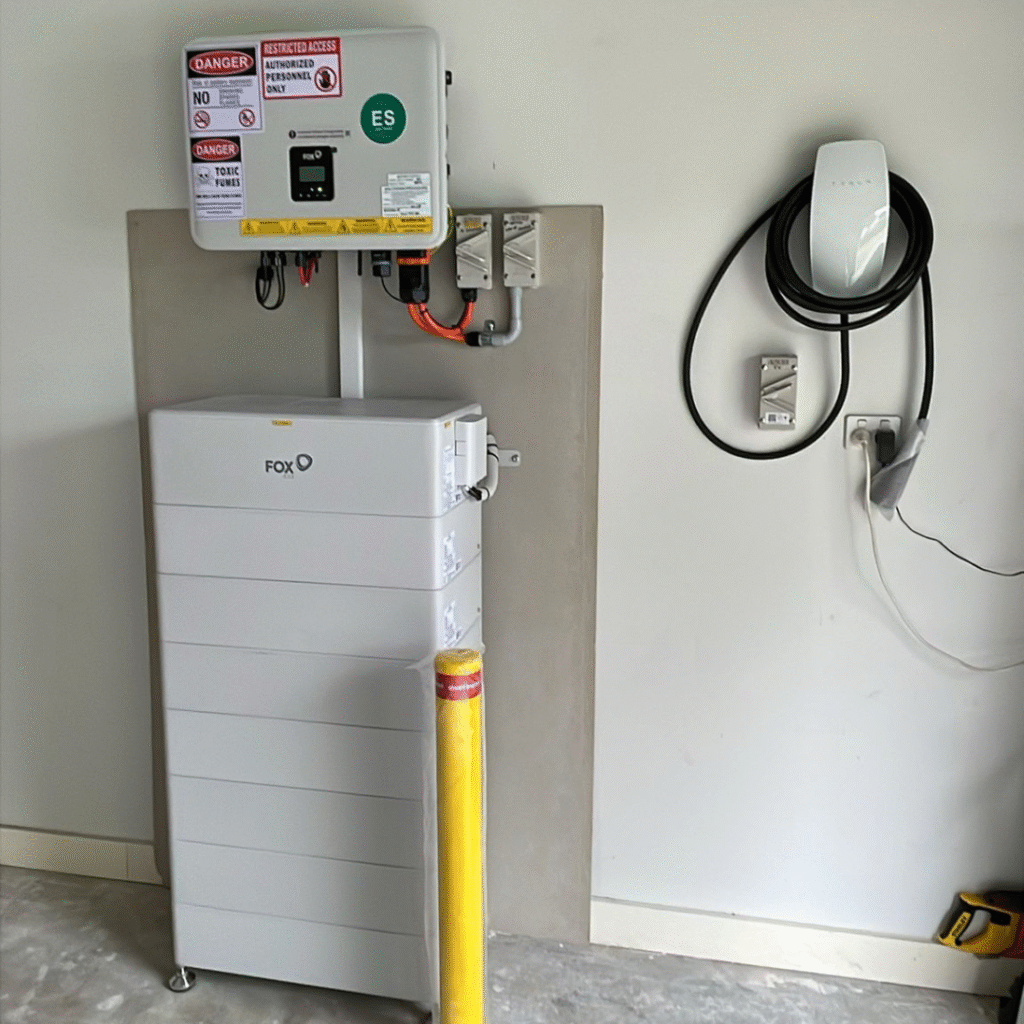
1. Selecting the Wrong Battery Size or Type
One of the biggest mistakes is choosing a battery that doesn’t match your household energy usage.
What usually goes wrong:
- Battery too large → wasted capacity
- Battery too small → drains quickly
- Not compatible with existing inverter
- No planning for future needs (EV, appliances)
Smart approach:
A professional installer should assess:
- Your daily energy consumption
- Peak usage times
- Future upgrades
- Backup requirements
2. Ignoring Electrical System Upgrades
Many Sydney homes require electrical upgrades before installing a battery.
Common issues:
- Old or overloaded switchboards
- Missing safety devices
- Lack of surge protection
- Temporary fixes instead of proper upgrades
Why it matters:
Skipping upgrades can lead to:
- Safety risks
- System failure
- Non-compliance with regulations
Best practice:
Always get a full electrical inspection before installation begins.
3. Poor Battery Placement
Battery placement directly affects performance and lifespan.
Common mistakes:
- Installed in direct sunlight
- Poor ventilation
- Too close to heat sources
- Unsafe mounting surfaces
Risks:
- Overheating
- Reduced efficiency
- Warranty issues
Solution:
Install batteries in cool, shaded, and well-ventilated areas following manufacturer guidelines.
4. No Backup Power Planning
Many homeowners assume batteries automatically provide power during outages.
Reality:
Not all systems include backup functionality.
Common problems:
- No backup circuit installed
- Essential appliances not connected
- System shuts down during blackout
Correct approach:
Define clearly:
- What appliances will run
- How long backup will last
- Whether full or partial backup is needed
Using Unqualified or Subcontract Installers
This is a major issue in the solar industry.
What happens:
- Sales company closes the deal
- Installation is outsourced
- No accountability after installation
Result:
- Poor workmanship
- Delayed support
- Blame shifting between parties
What to look for:
- Licensed in-house electricians
- Proven track record
- Clear after-install support